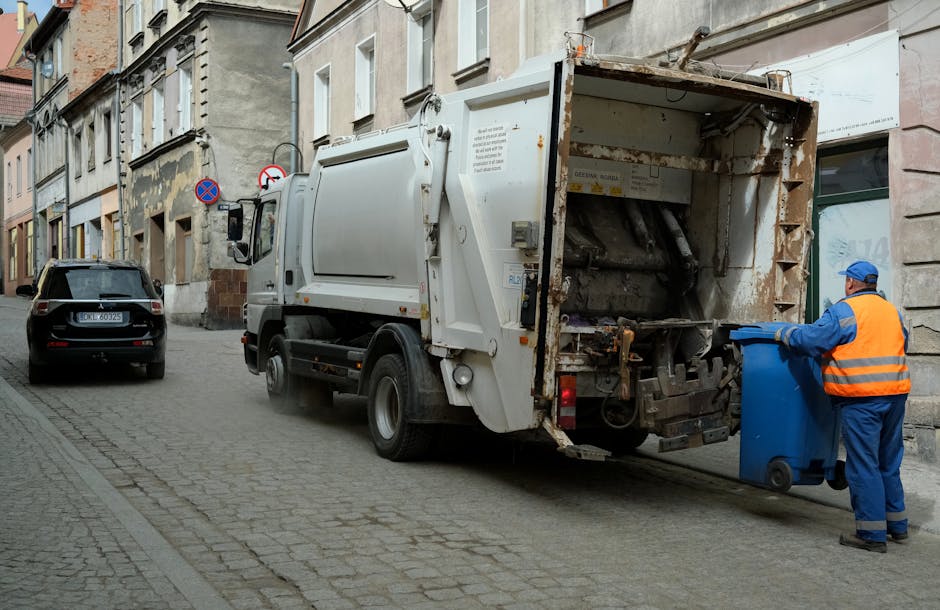
Rubbish removal Balham High Road flats guide
If you live in a flat on Balham High Road, rubbish can pile up faster than you expect. One bulky chair turns into three bags, then a broken shelf, then a mattress you keep meaning to deal with. This Rubbish removal Balham High Road flats guide is here to make the whole process clearer, calmer, and a lot less awkward. Whether you are clearing a studio, a shared apartment, or a larger flat with awkward stairs and tight hallways, the right approach saves time, avoids damage, and keeps everyone on better terms with neighbours and building management.
In practical terms, flat rubbish removal is about more than simply getting things out the door. You need to think about access, lift use, parking, noise, item types, and what can be reused, recycled, or needs special handling. That is where a little planning goes a long way. And yes, it can be done without the usual chaos.
Expert summary: The cleanest flat clearances on Balham High Road are the ones planned around access, item type, and timing. If you know what is going, where it will be carried through, and how it should be disposed of, everything gets simpler.
Why rubbish removal in Balham High Road flats matters
Flat living brings its own rhythm. Shared entrances, narrow corridors, loading restrictions, and neighbours who can hear every wheel scrape across the landing. So rubbish removal in a Balham High Road flat is not just a tidy-up task; it is a small logistics job. Get it right and the whole place feels lighter. Get it wrong and you end up with blocked hallways, stressed neighbours, and the kind of mess that somehow spreads from one room to three.
Balham High Road has a mix of converted flats, purpose-built apartments, and older buildings with less forgiving access. That makes timing and handling just as important as disposal itself. A bulky wardrobe might fit the lift. Or it might not. A bagged clear-out may be straightforward, until you realise the bin store is full and the staircase is too tight for two people to pass comfortably. These are the practical realities that good planning accounts for.
It also matters because waste has to go somewhere responsible. In a flat, it is tempting to leave things "just for later" beside the bins or in a communal area. But that often creates fire risk, pest issues, and neighbour complaints. Not ideal, to be fair. If you are trying to keep the building pleasant and avoid friction with the landlord or managing agent, a proper rubbish removal plan is one of the simplest wins.
For many residents, it also reduces the mental load. That stack of unused items, broken furniture, and old boxes sits in the corner silently taking up headspace. Clearing it can make a flat feel larger, cleaner, and easier to live in without needing a full renovation. Sometimes that is all you need: one good removal and the room breathes again.
How rubbish removal in Balham High Road flats works in practice
The basic process is straightforward, but flats add a few moving parts. A rubbish removal visit usually starts with identifying what needs taking away. Then comes access planning: stairs, lifts, parking, and whether items need to be dismantled. After that, the waste is loaded, sorted where possible, and taken for proper disposal or recycling.
For flats on or near Balham High Road, the key detail is usually access. Some buildings have front entrances opening straight onto the pavement, while others sit behind gated courtyards or shared corridors. You may need to think about where vehicles can stop, whether there is a loading bay, and how long the lift can realistically be tied up. That might sound like a lot, but in real life it is mostly about avoiding surprises.
Here is the typical flow:
- List the items - bagged waste, furniture, appliances, mattresses, mixed junk, or renovation debris.
- Check access - stairs, lift size, parking options, and any building rules.
- Separate special items - fridges, hazardous materials, confidential paper, or anything reusable.
- Book the collection - ideally at a time that works with building quiet hours and traffic conditions.
- Clear and load - items are removed carefully to avoid damage to walls, doors, and communal flooring.
- Dispose responsibly - recyclable material is separated where practical, with special waste handled appropriately.
If you are dealing with a more complete clear-out, the service can overlap with flat clearance, especially where there is furniture, mixed household waste, or a full move-out. If the job is mainly about old sofas, tables, beds, or broken storage, you may also find furniture clearance or furniture disposal more relevant. The same is true for mattress and sofa disposal when those bulky items are taking over the bedroom and lounge.
A good service should also be clear about insurance and safe handling. That matters in tight flat corridors where one bad corner can mark paintwork or chip a skirting board. A careful team earns its keep there. You notice it most when nothing gets scuffed.
Key benefits and practical advantages
The obvious benefit is that your rubbish disappears. But the real value goes further than that. In flat settings, reliable rubbish removal helps with space, safety, neighbour relations, and the simple fact that you do not need to spend your Saturday doing repeated trips to the bin store. Let's be honest, nobody dreams of carrying an old wardrobe downstairs at 8 a.m. on a damp London morning.
- Less stress - one visit can replace several awkward trips and a fair bit of heavy lifting.
- Better use of space - hallways, bedrooms, and balconies stop doubling as storage rooms.
- Reduced risk of damage - professional handling is usually safer for walls, lifts, and shared entrances.
- Cleaner communal areas - no lingering bags, unsightly piles, or bin-store overflow.
- More responsible disposal - items can be sorted for recycling, reuse, or specialist disposal.
- Faster turnaround - useful if you are moving, refreshing a rental, or preparing for guests.
There is also a psychological benefit people underestimate. A cluttered flat can make ordinary tasks feel heavier. Once the rubbish is gone, it is easier to see the room properly again. You begin to notice what the space is actually for. A desk. A bed. A dining corner. Maybe even room to walk without side-stepping a pile of packaging. Small victory, but a real one.
If your clear-out includes appliances, using a dedicated fridge and appliance removal service is usually the safer route, especially for heavy or awkward units. If the job involves larger property-wide clearances, home clearance or house clearance may also be worth reviewing for scope and expectations.
Who this is for and when it makes sense
This guide is most useful for flat residents, landlords, letting agents, and anyone managing a move or refresh on Balham High Road. It is especially relevant if access is tight or the building has shared areas that need to stay clean and calm. A flat clearance is rarely just about the waste; it is about making the whole process workable within the building.
You may need this if you are:
- moving out of a studio, one-bed, or shared flat
- replacing old furniture or white goods
- clearing after tenants have left items behind
- decluttering a balcony, storage cupboard, or spare room
- dealing with renovation debris from a small property update
- sorting mixed household rubbish before a handover or inspection
It also makes sense when the job is too much for normal council collection routines, or when timing matters. Maybe you need the room cleared before new furniture arrives. Maybe the landlord wants the flat emptied before an inventory check. Or maybe you just want the place back to normal before Monday. Fair enough.
For business-use flats, such as live-work units or short-let properties managed as part of a portfolio, it can be useful to compare the setup with business waste removal. And if the flat contains paperwork, old contracts, or sensitive files, confidential shredding is the safer way to handle them rather than tossing them in with general waste.
Step-by-step guidance
If you want a smooth experience, treat the job as a small project rather than a last-minute clear-out. The best results usually come from a simple plan and a realistic view of the building layout. Here is a practical sequence that works well in flats.
1) Walk the flat room by room
Start by identifying exactly what needs to go. Don't just stare at the main pile and hope for the best. Check wardrobes, under beds, cupboards, balconies, and the space behind doors. That is often where the surprise items hide.
2) Split waste into sensible groups
Separate bags, furniture, appliances, and any potentially hazardous material. This helps with disposal decisions and avoids delays when the team arrives. Mixed loads can still be collected, but a little sorting makes the job much cleaner.
3) Measure awkward items
Large sofas, wardrobes, and mattresses can look smaller in a room than they do in the hallway. Measure roughly if you can. The point is not to be precise to the millimetre, just to avoid the classic "it'll be fine" moment that turns into a staircase puzzle.
4) Check access and building rules
Confirm lift use, entry codes, parking options, and any quiet-hour restrictions. If the building has a concierge or managing agent, it can help to warn them in advance. That one phone call can save a lot of back-and-forth later.
5) Prepare the route
Move fragile items away from the path, prop doors open if appropriate, and clear the hallway of loose shoes, umbrellas, and the inevitable box of "things to deal with later." Again, practical. Not glamorous, but practical.
6) Book the collection
If timing matters, choose a slot that avoids the busiest times in the building. Early afternoon can sometimes be easier than first thing, depending on neighbours and traffic. If you need to arrange it quickly, you can use book online for a straightforward start, or review pricing and quotes if you want to understand the likely structure before committing.
7) Confirm the disposal approach
Ask how recyclable material is handled and whether any items need special treatment. If you have a fridge, freezer, or other appliance, make sure it is flagged clearly. The same goes for anything classed as hazardous or difficult waste. Better to mention it early than create a headache on the day.
Expert tips for better results
Over time, a few habits make flat rubbish removal much smoother. None of them are dramatic. They just remove friction.
- Label piles clearly - use simple tags like "keep," "donate," "remove," and "special waste."
- Take apart what you safely can - flat-pack furniture usually moves better in pieces.
- Protect shared areas - if you are moving bulky items, a quick check on door edges and corners can save unnecessary wear.
- Keep one clear exit route - do not let boxes creep back into the path while you are organising.
- Group the heavy items first - it helps the load team work faster and protects lighter items from being crushed.
- Think in layers - what can be reused, what can be recycled, and what is simply waste?
One small but useful habit: set aside a bag for loose screws, remotes, chargers, and cables before the main removal begins. You would be surprised how often those tiny items vanish into the general clutter. Then, three days later, you need the charger and it has disappeared into the void. It happens.
Also, if you know a sofa or bed frame is going, check the path before the collection day. In older Balham flats especially, the turn from hallway to stairwell can be the tricky bit, not the front door itself. You want to catch that before the team is standing there with a half-turned sectional and everyone pretending this is normal.
For storage-heavy homes, loft clearance, garage clearance, and garden clearance can be useful adjacent services when a flat has extra areas attached to it or shared storage to clear.
Common mistakes to avoid
Most problems in flat rubbish removal come from rushing, not from the waste itself. The following mistakes are common, and honestly, easy to avoid with a bit of forethought.
- Leaving access checks until the day - a lift that is too small or a gate that needs a code can slow everything down.
- Mixing special waste with general rubbish - items like fridges, chemicals, and some electricals may need different handling.
- Ignoring building rules - some flats have delivery windows, parking limits, or quiet hours that matter a lot.
- Underestimating volume - one bedroom worth of clutter can become far more than expected once it is bagged and stacked.
- Forgetting about communal space - hallways, lifts, and entrances should stay clear and tidy.
- Choosing speed over clarity - the cheapest or fastest option is not always the one that actually solves the problem well.
Another common slip is assuming every item can simply be thrown into the same load. In reality, item type changes the process. A mattress, a sofa, and a bag of mixed waste each bring their own handling considerations. If you are unsure, ask before collection day. Much easier than discovering the issue mid-load.
And please, if you can help it, do not leave rubbish in the communal area "just for an hour." That hour has a mysterious habit of becoming a weekend.
Tools, resources and recommendations
You do not need a van full of specialist kit to get organised, but a few simple tools help more than people expect.
- Marker pens or labels for sorting keep/remove piles
- Heavy-duty bags for mixed rubbish and soft goods
- Basic tape measure for awkward furniture or lift access
- Gloves for light sorting and handling dusty items
- Phone camera to photograph items when getting a quote or checking what needs taking
- Cardboard boxes for small loose items, cables, and accessories
Useful website resources on this site include waste removal for general clearance needs, recycling and sustainability if you want to understand responsible disposal priorities, and payment and security if you are reviewing how booking and payment are handled.
If your clear-out involves items that may need extra care, use the dedicated service pages as a guide: hazardous waste disposal for risky materials, and what can go in a skip if you are comparing what belongs in a container versus a direct collection. That distinction can save a lot of guesswork.
Law, compliance, standards, and best practice
For rubbish removal in flats, compliance is mostly about handling waste safely and responsibly, while respecting the building and the people in it. You do not need to become a legal expert, but a few basics matter.
First, waste should be taken to appropriate facilities and handled in line with accepted UK waste practice. That means separating obvious special waste where needed, avoiding illegal dumping, and using a provider that takes disposal seriously. If someone offers to "just whisk it away cheap," that can be a red flag. Cheap can become expensive in the wrong way.
Second, in shared buildings, you have a duty of care to avoid blocking exits, leaving items in fire routes, or causing damage during removal. The safest approach is to keep access clear, communicate with neighbours if necessary, and work within any building rules. It is boring advice, maybe, but boring is good here.
Third, when contractors are involved, insurance and safe handling matter. If items are heavy, sharp, or unstable, the team should use sensible manual handling practices and protective care for walls and flooring. You can review health and safety policy and insurance and safety information if you want a clearer picture of the standards the business follows.
Finally, if you are disposing of electrical items, fridges, or anything with potentially hazardous components, treat them as special cases. Not every item belongs in the same pile, and that distinction is where a lot of responsible disposal begins.
Options, methods, and comparison table
There are usually a few ways to handle rubbish removal from a flat. The best choice depends on volume, time, access, and how much lifting you want to do yourself. Here is a simple comparison.
| Method | Best for | Pros | Watch-outs |
|---|---|---|---|
| Self-haul to local facilities | Small amounts and flexible schedules | Can be low cost if you already have transport | Time-consuming, lifting involved, parking and access issues |
| Skip hire | Ongoing works or bulky volume outside a flat | Useful for renovation debris and larger clearances | Access, permit, and placement challenges near flats |
| Direct rubbish removal service | Mixed items, awkward access, quick turnarounds | Less lifting for you, faster clear-out, suitable for flats | Need to describe items and access clearly for accurate planning |
| Full flat clearance | End-of-tenancy, move-outs, inherited items, major declutter | Most comprehensive option; handles mixed contents | Requires more detailed planning and clear scope |
For a typical Balham High Road flat, direct collection is often the most practical choice because stairs, lifts, and street access can make skip placement awkward. On the other hand, if you are already doing building work, builders waste clearance may be more relevant than a general rubbish removal job. The right method is the one that fits the building, not the other way around.
Case study or real-world example
Here is a realistic example from the kind of situation people on Balham High Road often face. A tenant is moving out of a one-bed flat after a long stretch of living there, and the place has accumulated a bit of everything: a broken bedside table, two bags of old clothes, a mattress, a worn-out armchair, and a small pile of cardboard from recent deliveries. Nothing dramatic. Just life, really.
The challenge is access. The flat is on the second floor, the lift is narrow, and the hallway has a sharp turn halfway down. The tenant could have done several trips to the bins over the week, but work was busy and the thought of carrying the mattress down on their own was enough to make them postpone it. So the plan became simple: list the items, check the route, and book one collection to clear the lot.
The useful bit was preparation. The mattress was brought to the front room, the cardboard was flattened, and the fragile items were separated. The collection itself was uneventful, which is exactly what you want. No damage to the walls, no awkward pause in the stairwell, no "does this fit if we turn it sideways?" moment. In other words, boring in the best possible way.
That kind of result is common when the access is thought through early. It does not need to be complicated. It just needs a bit of common sense and a provider that understands flat buildings, especially along busier London roads where parking and loading can be less forgiving than people hope.
Practical checklist
Use this quick checklist before your collection day. It keeps the job tidy and avoids last-minute scrambles.
- Identify every item that needs removing
- Separate furniture, bags, appliances, and special waste
- Measure any awkward or oversized items
- Check lift dimensions, stairs, and doorway turns
- Confirm parking or loading access near the building
- Warn a concierge, landlord, or building manager if needed
- Keep communal hallways and exits clear
- Remove loose valuables, documents, and chargers first
- Ask about recycling and disposal handling where relevant
- Double-check timing against building quiet hours
Quick takeaway: the best rubbish removal jobs in flats are prepared before anyone arrives. Once access, item type, and timing are clear, the rest usually falls into place neatly.
Get a free quote today and see how much you can save.
Conclusion
Rubbish removal for Balham High Road flats is really about making a constrained space work without creating extra problems. Once you account for access, building rules, item types, and responsible disposal, the job becomes much easier to manage. That means less lifting, less stress, and less mess hanging around longer than it should.
If you are facing a flat clearance, a furniture-heavy job, or a mixed waste pile that has got a bit out of hand, the smartest move is usually to plan the route, separate special items, and choose a service that understands flat living. The difference is often felt within minutes. The hallway is clear. The room is usable again. The flat feels like yours, not the clutter's.
And that's the thing, really. A good rubbish removal is not just about taking things away. It gives you back space, calm, and a little breathing room. Which, in a busy London flat, counts for quite a lot.
Frequently Asked Questions
How do I arrange rubbish removal for a flat on Balham High Road?
Start by listing what needs removing, checking access to the flat, and confirming whether there are any building rules about parking, lifts, or collection times. Then book a suitable service and make sure special items are identified in advance.
Can bulky furniture be removed from upper-floor flats?
Yes, usually. The main considerations are whether the furniture fits through the route and whether it needs dismantling first. Sofas, wardrobes, and beds often need a bit of planning, especially in older or narrower buildings.
What items should I separate before collection day?
It helps to separate general rubbish, furniture, mattresses, appliances, and anything that may need special handling. Loose paperwork, valuables, and personal items should always be removed first.
Is flat rubbish removal better than using a skip?
For many flats, yes, because skip placement can be awkward and access is often limited. A direct collection is usually more practical when you are dealing with stairs, shared entrances, or tight street parking.
What happens to recyclable items?
Where practical, recyclable material should be separated and sent for appropriate processing. The exact handling depends on the mix of items, but recycling should be part of the plan rather than an afterthought.
Can I include a fridge or other appliance in the same load?
Sometimes yes, but it should be flagged clearly because appliances may need specific handling. Fridges, freezers, and certain electricals are better treated as separate items rather than tucked into a general pile.
How much notice do I need to give?
That depends on availability and the size of the job. For a straightforward flat clear-out, short notice may be possible, but giving a little lead time makes access planning and quoting much easier.
What if my flat has no lift?
That is common in London flats and usually manageable. The key is honest planning around stairs, weight, and item size. It may take longer, but the job can still be done safely if the route is workable.
Do I need to be present during the removal?
It is often best if you are present, at least at the start, so you can confirm what is going and answer any questions about access or item separation. That said, arrangements vary, and clear instructions can help if you cannot stay for the full visit.
What should I do with hazardous or special waste?
Keep it separate and make sure it is clearly identified before collection. Certain items should not go with general waste, so it is better to ask in advance than to guess and hope for the best.
Can rubbish removal help with end-of-tenancy clearance?
Yes. End-of-tenancy jobs often combine furniture, bags, leftover belongings, and general rubbish. A flat clearance approach is often the cleanest way to handle this, particularly when the goal is to hand the place back in a tidy state.
What is the most common mistake people make in flat clear-outs?
Waiting too long to plan access. People often focus on the items and forget the building layout, which is usually the part that decides how easy or awkward the job becomes. A quick walkthrough solves a lot.
Where can I learn more about quotes, safety, or sustainable disposal?
You can review the site's information on pricing and quotes, insurance and safety, and recycling and sustainability for a clearer picture of how the service is approached.